
Holi, profoundly revered as the Festival of Colors, stands as one of the most vibrant, ancient, and culturally significant festivals celebrated across the Indian subcontinent and throughout the global diaspora. Rooted deeply in Hindu mythology and marking the definitive transition from the chill of winter to the blossoming warmth of spring, Holi is a multidimensional celebration that encapsulates the themes of divine love, social harmony, the triumph of good over evil, and the cyclical rejuvenation of nature itself.
Marking the arrival of spring, it symbolizes the triumph of good over evil, rooted in the legend of Prahlad and Holika. The celebrations begin with Holika Dahan—a ceremonial bonfire lit on the eve of the festival. The next day, people of all ages gather outdoors to play with bright colored powders (gulal), splash colored water, and use water guns. Families and friends share traditional sweets like gujiya, exchange warm greetings, and enjoy festive music. Ultimately, Holi helps people forgive past grievances, strengthen relationships, and spread a deep message of love, unity, and fresh beginnings.If you need this paragraph adjusted for a specific word count or a particular grade level, just let me know!Brainly.inessay on Holi in English about 100 to 200 words . - Brainly.in8 Mar 2019 — Holi is the festival of colours. It is the most vibrant Indian festival that commemorates the advent of spring. It is not only a f...FiloHoli paragraph 100 words - Filo1 Feb 2026 — Holi is a vibrant and joyful festival celebrated with great enthusiasm in India. It marks the arrival of spring and the victory of...Show all
Holi is one of the most famous and loved festivals in Indian culture. It brings people together with loud laughter, bright shades of color, and sweet treats. On this day, people forget old fights and embrace each other with warmth. The air fills with music, dance, and a deep sense of community
Holi has deep roots in Hindu mythology. The most popular story is about a young boy named Prahlad and his evil father, King Hiranyakashipu.
Prahladwas a true devote of lord Vishnu
Hiranykashyapuwanted everyone warship with him instead of the God
Prahlad refuse to obey his father
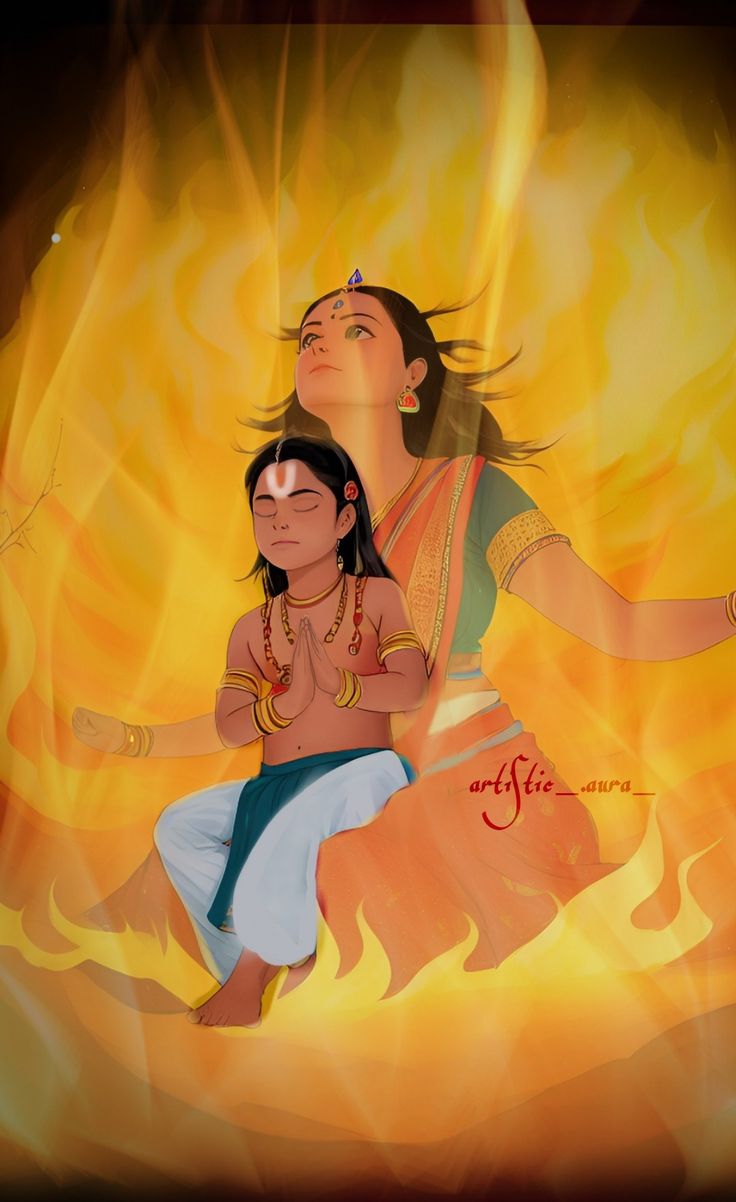
The angry king ask his sister,Holika,to killPrahlad
Holika had a special cloak that protected her from fire. She sat in a blazing fire with Prahlad on her lap. However, because of her bad intentions, the magic cloak flew from her and protected Prahlad instead. Holika burned to ash, and Prahlad walked out safely. This event teaches people that goodness always wins over evil.
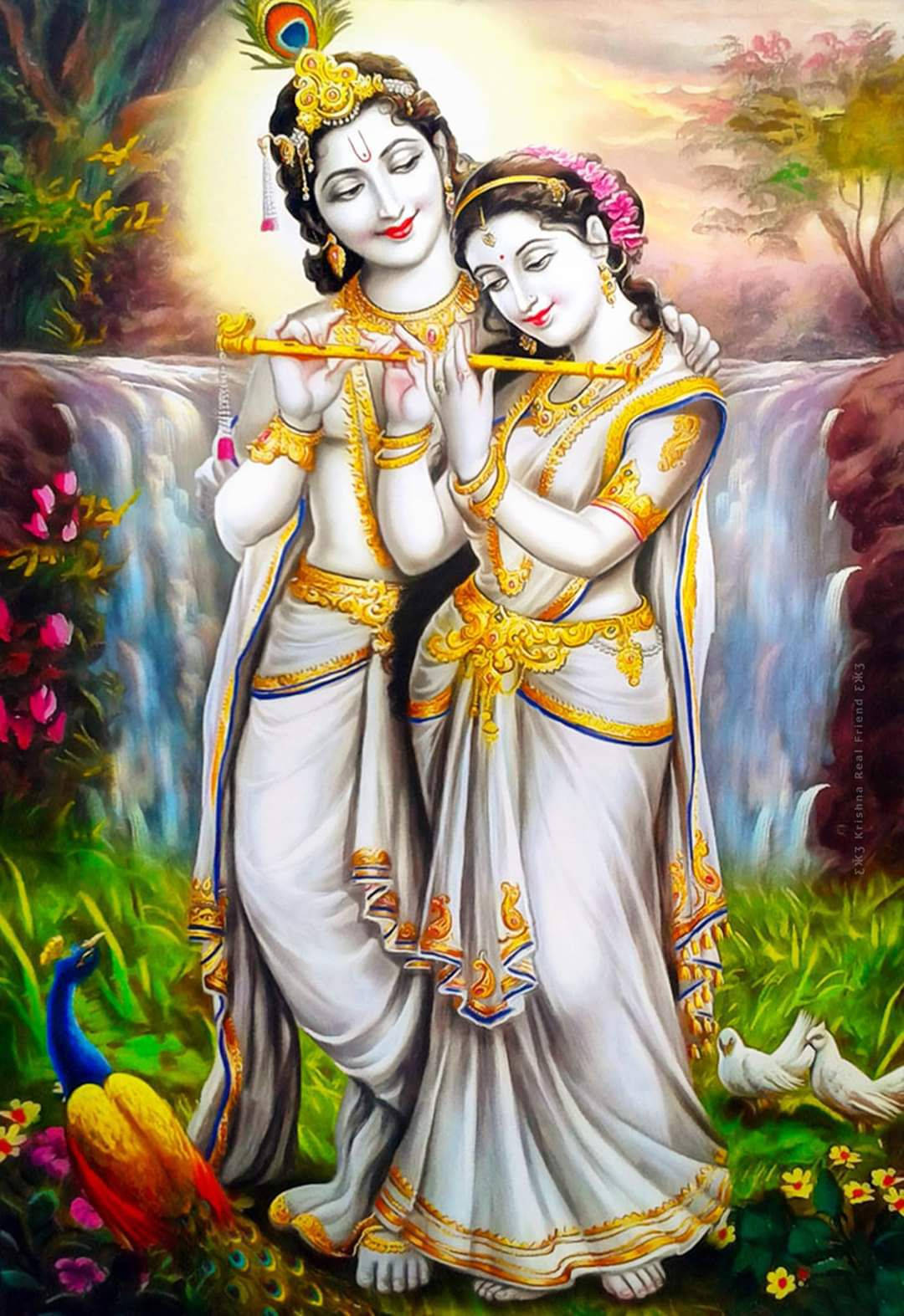
Holi is also known as Divine love.
Shri Krishna has a dark blue skin complexion.
He worried that Radha, whom he loved dearly, would not like his skin tone.
His mother playfully suggested that he smear colors on Radha’s face to change her complexion to match his.
Krishna applied color to Radha's face, starting a sweet tradition of playing with colors that lovers and friends follow to this day.
The next day is Rangwali Holi, the main festival of colors.
Streets and houses fill with people of all ages.
Everyone applies dry colored powder, called gulal, onto each other's faces.
Children run around with water guns, known as pichkaris, and splash colored water
People wear old or white clothes because the colors stain easily.
Loud music, traditional drums, and cheerful laughter fill the air.
No Indian festival is complete without special food.
Families prepare gujiya, a sweet deep-fried dumpling filled with khoya and dry fruits.
People also enjoy thandai, a traditional cold milk drink mixed with nuts and spices.
Neighbors share these treats to build warm relationships.
Holi brings people together, breaking all social barriers. Rich and poor, young and old, and people from different backgrounds celebrate as one family. It is a time for forgiveness and reconciliation. If two friends or neighbors had a fight, they use Holi as a chance to hug, forgive past mistakes, and start fresh.
Today, people are more careful about nature. Traditional synthetic colors can harm the skin and pollute water. Many communities now use eco-friendly, organic colors made from flowers and turmeric. People also try to save water by playing a dry Holi with safe gulal.
Holi is much more than just playing with colors and water. It is a celebration of life, spring, love, and unity. It reminds everyone that kindness, forgiveness, and joy are the true strengths of humanity.